Do you want space to breathe—or sidewalks, coffee runs, and neighbors you actually know? Choosing between acreage and subdivision living in the Lehigh Valley isn’t just a real estate decision—it’s a lifestyle one. Your choice impacts your time, your budget, and how you spend your weekends. Before you commit, let’s get clear on maintenance, utilities, financing, and day-to-day reality—no fluff, just perspective.
Acreage vs. Subdivision Basics (Lehigh Valley Edition)
First things first: ZIP codes don’t tell the whole story here. In the Lehigh Valley, zoning, utilities, and services are controlled by the municipality, not the mailing address. A home with an “18102” address may be in Allentown city limits, while a nearby property in Lehigh Township plays by an entirely different rulebook. Always confirm the municipality before making assumptions.
In general:
-
Subdivisions = smaller lots, sidewalks, easy access to shopping and services
-
Acreage = one acre or more, increasing as you move away from urban centers
The right fit depends on how you actually want to live—not just what looks good in photos.
Lot Sizes & Home Styles
Subdivisions
Lots typically range from 0.1 to 0.5 acres. Expect colonials, ranches, bi-levels, modern two-stories, and townhomes in some areas. Some neighborhoods include HOAs that maintain common spaces and keep things looking polished.
Acreage
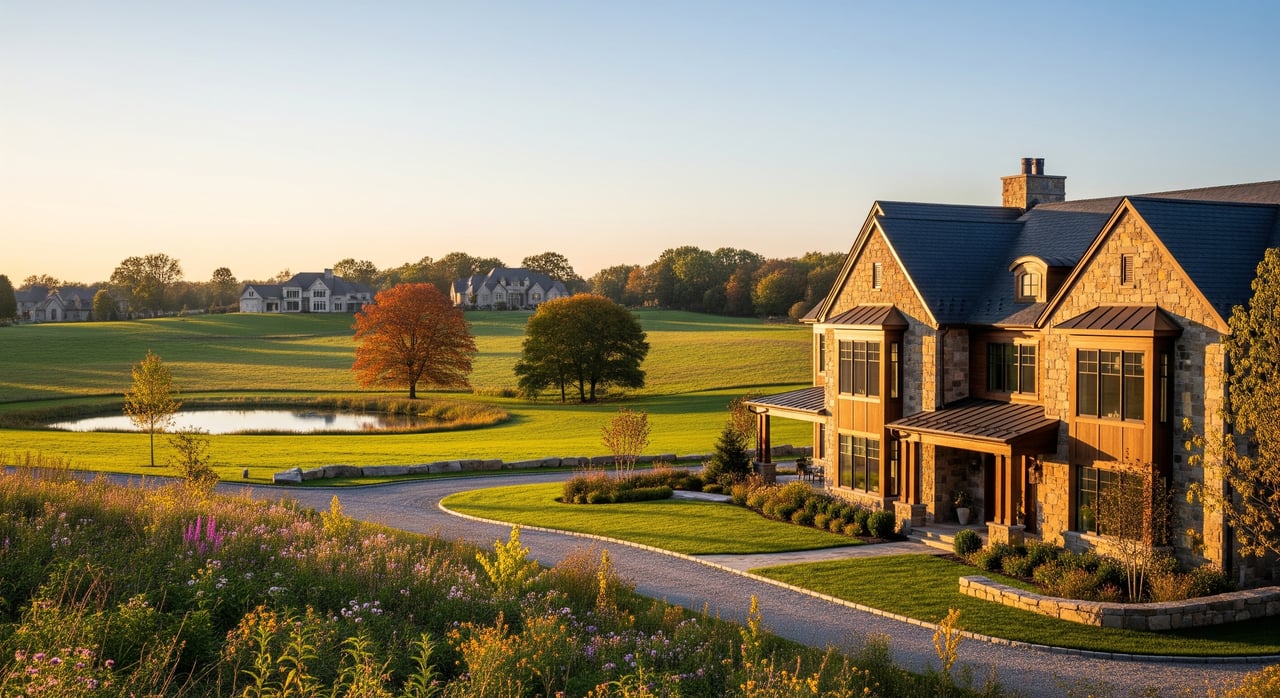
Think 1 to 10+ acres with a mix of farmhouses, Cape Cods, ranches, and contemporary homes. Barns, workshops, detached garages, fields, and wooded buffers are common—and often part of the appeal.
If you love a cohesive, turnkey neighborhood feel, subdivisions shine. If your dream includes gardens, animals, or space to tinker, acreage delivers.
Utilities: Simple vs. Self-Managed
Subdivisions
Most homes connect to municipal water and sewer with underground utilities—easy, predictable, and low maintenance.
Acreage
Private wells and septic systems are common. That means water testing, routine upkeep, and septic pumping every few years. Add in long driveways or outbuildings, and you’re officially managing your own mini infrastructure.
Before making an offer, confirm utilities early and request well, septic, and utility records upfront.
Maintenance Reality Check
This is where the lifestyle difference really shows up.
-
Subdivision living usually means smaller lawns, less snow to clear, fewer things to fix. HOAs may handle shared spaces.
-
Acreage living means mowing fields, managing trees, maintaining fencing, long driveways, drainage, and outbuildings.
Typical acreage upkeep includes:
-
Seasonal mowing and brush control
-
Annual tree and limb inspections
-
Driveway and drainage checks after storms
-
Periodic well testing
-
Septic inspection and pumping every 3–5 years
-
Annual outbuilding checks for roofs, pests, and moisture
If you like low-effort weekends, subdivisions win. If land projects light you up, acreage is worth the work.
Privacy, Pace & Daily Life
-
Privacy: Acreage offers space, buffers, and quiet. Subdivisions are closer-knit and more social.
-
Outdoor use: Acreage supports gardens, workshops, orchards, and hobby agriculture (where zoning allows). Subdivisions lean toward patios, play areas, and manageable green space.
-
Convenience: Subdivisions are typically closer to grocery stores, parks, healthcare, and services. Acreage often means longer drive times—map your real-life routes before committing.
Picture your evenings. Quiet sunsets and stars—or neighborhood walks and quick errands?
Financing & Appraisals (What to Expect)
Most buyers use conventional, FHA, or VA loans. USDA Rural Development loans may be an option for qualifying buyers in eligible rural areas, depending on location and income.
Key differences:
-
Appraisals: Subdivisions usually have plenty of comparable sales. Acreage properties are more unique, which can mean fewer comps and more adjustments.
-
Lender requirements: Acreage homes may require higher reserves or down payments—especially with outbuildings or unique features.
-
Title & access: Shared driveways, private roads, easements, or restrictions must be clearly documented and insurable.
Buying acreage often means a little more patience—and a little more paperwork.
Insurance Considerations
Acreage homes may have higher premiums due to distance from fire services, outbuildings, ponds, animals, or added liability.
Subdivision homes usually fall into more straightforward insurance categories.
Get quotes early so there are no surprises.
Zoning, Easements & Big-Picture Plans
In the Lehigh Valley, zoning is hyper-local—and it matters.
-
Confirm permitted uses for animals, workshops, and agriculture
-
Review easements, conservation restrictions, and subdivision covenants
-
Explore subdividing potential carefully (infrastructure costs add up fast)
-
Ask about agricultural tax assessments—and potential rollback taxes
Always check with the municipal zoning office for your exact address before planning changes.
The Real Tradeoff
Subdivisions:
Lower maintenance, simpler utilities, closer amenities, easier appraisals—plus possible HOA fees.
Acreage:
More freedom, more space, more responsibility—plus longer commutes and more hands-on care.
Neither is better across the board. The best choice supports your lifestyle.
How to Know What’s Right for You
Ask yourself:
-
Do I want space and privacy—or convenience and community?
-
Am I comfortable managing wells, septics, and land?
-
Will longer drive times work for my daily life?
-
Do I enjoy hands-on projects or prefer turnkey living?
If your vision includes open skies and room to roam, acreage may be calling. If ease and accessibility fuel your day-to-day, subdivision living might be your sweet spot.
Buyer Due Diligence (Save This)
When comparing properties in Lehigh Township and nearby Allentown areas, be sure to:
-
Confirm municipality and zoning
-
Verify utilities
-
Review well and septic records
-
Confirm boundaries and access
-
Identify easements or restrictions
-
Estimate maintenance costs
-
Map commute times
-
Talk financing early
-
Schedule proper inspections
-
Get insurance quotes upfront
Ready to Choose with Confidence?
If you’re deciding between acreage and subdivision living in the Lehigh Valley, you deserve advice that’s clear, honest, and tailored to how you actually live. I bring hyper-local knowledge and a lifestyle-first approach to help you land in the right place—without second-guessing.
Let’s find your property match.
Adrienne Ward is a licensed real estate professional with a passion for helping clients find homes where their whole lives can flourish. Serving the Lehigh Valley, PA, Bucks County, Poconos, West NJ and beyond...
www.adriennewardrealestate.com