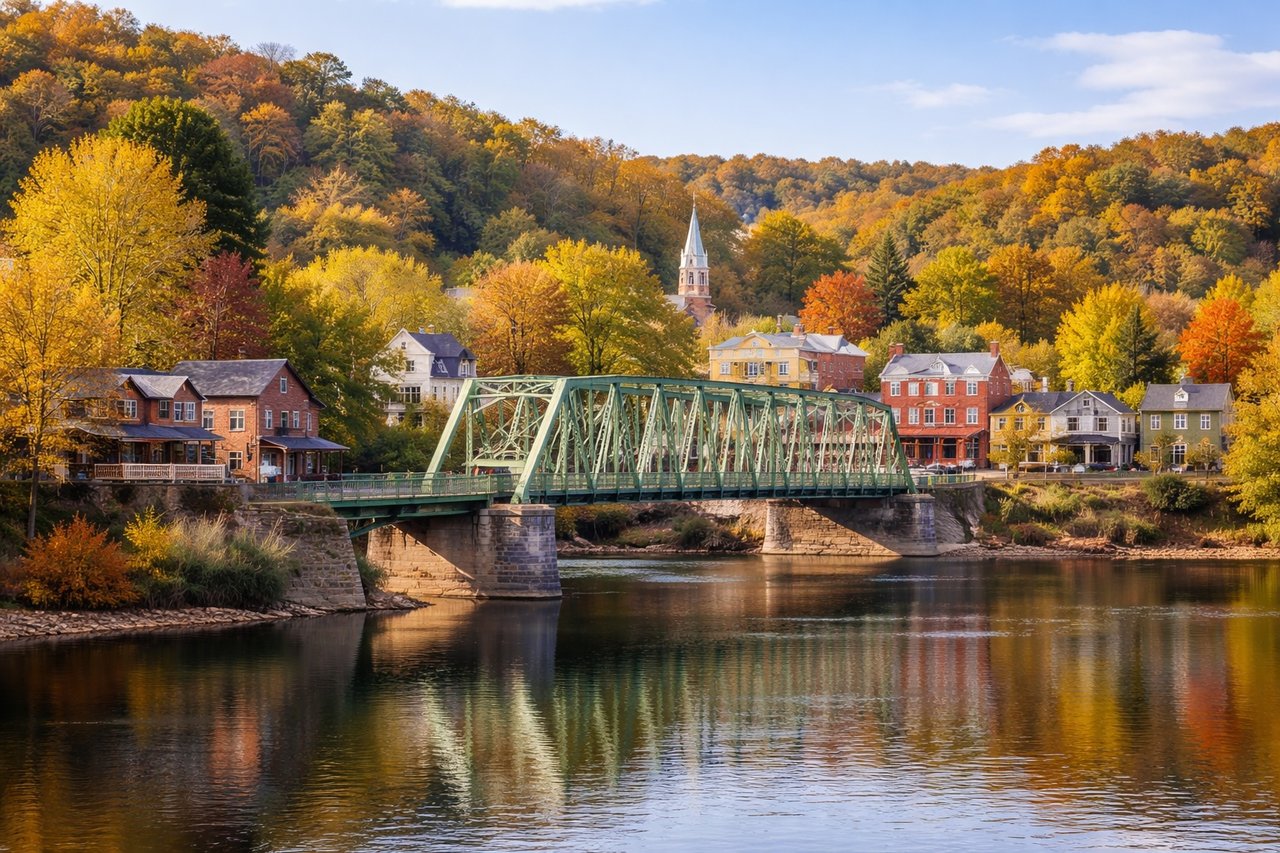
Ever notice how closing costs change the moment you cross the Delaware River? If you’re comparing a home in Riegelsville, PA to a similar one just across the bridge in Frenchtown, NJ, the differences can feel surprisingly unclear. Same price. Different rules. Different expectations.
This guide breaks down:
-
What buyers typically pay in Pennsylvania vs. New Jersey
-
What’s unique about buying in Lehigh Valley river towns
-
How to plan your cash to close with confidence
Let’s get into it.
PA vs. NJ Closing Costs: The Big Picture
Here’s the snapshot buyers near the river should know:
-
Transfer taxes are the biggest difference
-
Pennsylvania: commonly split between buyer and seller by local custom
-
New Jersey: state Realty Transfer Fee is typically paid by the seller
-
-
Many costs appear in both states
-
Lender fees, title insurance, recording charges, and prorations
-
Who pays what is often negotiable
-
-
Disclosure timing is identical
-
Loan Estimate within 3 business days
-
Closing Disclosure at least 3 business days before closing
-
Bottom line: Your cash to close can change based on which side of the river you’re on — even for similar homes.
What Buyers Typically Pay
Lender & Loan Fees
Set by your lender. Expect origination, underwriting, processing, credit report fees, and any discount points. Buyers pay these at closing or roll them into the loan if allowed. You’ll see them clearly on your Loan Estimate early in the process.
Appraisals & Inspections
-
Appraisal: required for most mortgages
-
Inspections (home, pest, well, septic): optional but strongly recommended
Buyers usually pay when ordered or at closing.
Title & Settlement Costs
Title work includes the search, commitment, and settlement services.
-
Lender’s title insurance is required and paid by the buyer
-
Owner’s title insurance protects you and is negotiable
Across much of the Lehigh Valley and nearby PA river towns, sellers often pay for the owner’s policy — but it’s not automatic. Always confirm early.
Transfer Taxes & Fees (Where the River Really Matters)
This is where Riegelsville vs. Frenchtown buyers feel the difference most.
Pennsylvania (Riegelsville and surrounding PA river towns)
A realty transfer tax applies statewide, with local portions added by municipality. In many Pennsylvania transactions, the tax is commonly split between buyer and seller, though the contract always controls the final allocation.
Important local note:
As of January 1, 2026, Allentown increased its realty transfer tax by 0.5%, bringing the total to 2.5%. This increase does not apply to Riegelsville or most surrounding river towns, but it’s a great reminder that municipality-level details matter.
Pro tip: Crossing the bridge doesn’t just change the scenery — it can change your closing costs.
New Jersey (Frenchtown and Hunterdon County)
The New Jersey Realty Transfer Fee is typically paid by the seller. Municipal or county charges may also apply, but buyers usually are not responsible for the state portion.
Because transfer taxes are percentage-based, understanding who pays what — and where — matters early.
Recording Fees & Tax Stamps
-
Buyers often pay to record the mortgage
-
Sellers often cover deed recording
Fees are set by county and vary slightly between Pennsylvania and New Jersey.
Prepaids, Escrows & Prorations
Expect:
-
Prepaid homeowner’s insurance
-
Prepaid interest from closing to your first payment
-
Escrow deposits for property taxes and insurance (if required)
Property taxes and HOA dues are prorated as of the closing date.
Attorneys & Settlement Agents
-
New Jersey: attorney review is standard
-
Pennsylvania: attorney involvement varies
In Riegelsville, nearby PA river towns, and across the Lehigh Valley, many closings are handled by title companies, with attorneys involved as needed. Each side typically pays their own attorney.
HOA, Municipal & Utility Charges
These are highly local and may include:
-
HOA resale or transfer fees
-
Municipal certificates
-
Water and sewer transfer charges
Who pays depends on the municipality and what’s negotiated.
Real Estate Commission
Typically paid by the seller and shared between listing and buyer’s agents. Rates are negotiated in the listing agreement.
River-Town Buyer Notes (Lehigh Valley Perspective)
-
Transfer tax allocation varies by municipality
-
Recording fees are county-specific
-
Property tax timing varies by school district
-
Owner’s title insurance is often seller-paid but negotiable
-
Title-company closings are common throughout PA river towns
Timing & Disclosures (No Surprises)
-
Loan Estimate: within 3 business days of application
-
Closing Disclosure: at least 3 business days before closing
Delays can come from loan changes, attorney review in New Jersey, HOA documents, or municipal requirements. Build in a little buffer.
What Closing Costs Usually Look Like (Ballpark)
For planning purposes:
-
Lender fees & points: 0–1% of loan amount
-
Appraisal: $300–$800
-
Home inspection: $300–$600+
-
Title insurance: approximately 0.25–1% of purchase price
-
Transfer taxes: approximately 0.5–1.5% combined, depending on location
-
Recording fees: typically a few hundred dollars
-
Prepaids & escrows: often hundreds to thousands, depending on taxes and timing
Buyer Checklist (Save This)
-
Compare Loan Estimates
-
Ask for a recent Riegelsville- or Frenchtown-area settlement statement
-
Get a title cost estimate from a local Pennsylvania or New Jersey title company
-
Confirm transfer-tax allocation in writing
-
Budget early for inspections and appraisal
-
Confirm escrow requirements with your lender
-
If buying in New Jersey, request seller-side Realty Transfer Fee estimates
-
Keep a buffer for last-minute adjustments
Next Steps
-
Connect with a local lender familiar with PA/NJ river-town transactions
-
Ask a title company or closing attorney for current fees
-
Request a neighborhood-specific sample settlement statement
Copy and paste message you can send:
“Please provide an estimated Closing Disclosure or settlement statement for a home in Riegelsville, PA or Frenchtown, NJ, purchase price $_____, loan type _____. Include transfer-tax allocation, title insurance, and recording fees.”
Comparing PA and NJ River Towns? Let’s Make It Clear.
If you’re weighing a Riegelsville purchase against Frenchtown or another New Jersey river town, you deserve real numbers — not assumptions. I help buyers understand the true cost differences so they can move forward confidently.
Connect with Adrienne Ward for tailored estimates and next steps.
Adrienne Ward is a licensed real estate professional with a passion for helping clients find homes where their whole lives can flourish. Serving Bucks County, PA & Lehigh Valley, PA + West/Central NJ and beyond.
www.adriennewardrealestate.com